
When an offer finally lands on your home, it's natural to jump straight to the price. I get it. But the number at the top is only one part of the story. Two offers with the same price can leave you in very different places once you factor in conditions, the deposit and the closing date. Here's how I walk my sellers through reviewing offers, so you can choose the one that actually gets you to closing day with the least stress.
Why the Details Matter More in Today's Brampton Market
Brampton's market has more room to breathe than it did a few years ago. According to TRREB's October 2026 Market Watch, Brampton recorded 435 sales in October against 960 new listings, with 1,617 active listings and about 4.6 months of inventory. Homes sold for about 98% of their list price on average, and the average listing was on the market for about 30 days.
What that means for you as a seller: buyers have choices, so they're more likely to ask for conditions, flexible dates or inclusions. That's not a bad thing. It just means the strongest offer isn't always the highest one, and reading every line carefully matters.
Five Things to Compare on Every Offer
When I lay offers side by side for a seller, these are the pieces we look at together:
- Price, and what's included. Look at the price alongside what's staying with the home, like appliances, window coverings or light fixtures. A slightly lower price with fewer inclusions can come out close to even.
- Conditions. Common ones are financing, a home inspection and, for some buyers, the sale of their current home. Each condition is a door the buyer can walk out of if it isn't met. Fewer conditions and shorter timelines usually mean more certainty.
- The deposit. A meaningful deposit, delivered promptly, shows a buyer is serious. Check how much it is and when it's due.
- The closing date. The right date depends on your plans. If you're buying your next home, a closing that lines up with that purchase can save you bridge financing, a short-term rental or two moves.
- The irrevocable time. This is how long the offer stays open for you to respond. A very short window can be a pressure tactic, so make sure you have enough time to review it properly, ideally with your lawyer available if you have questions.
A simple trick I use: write each offer on one page with these five headings. Seeing them side by side makes the trade-offs much clearer than flipping between documents.
Your Options When an Offer Comes in
You don't have to take an offer exactly as written. Generally, you can:
- Accept it as is.
- Sign it back with changes, such as a different price, closing date or condition timeline. The buyer can then accept, counter again or walk away.
- Let it expire or decline it.
A sign-back is a normal part of negotiating, but every round is a chance for the buyer to move on to another home. Knowing which terms truly matter to you before the offer arrives helps you negotiate with confidence instead of reacting in the moment.
Ontario's Rules When You Have Competing Offers
If more than one buyer makes a written offer, there are clear rules in Ontario. Under the Trust in Real Estate Services Act, RECO explains that:
- Every buyer who has submitted a written offer is entitled to know how many competing offers there are. Your agent must share that number with them.
- You decide whether any content of the offers is shared. Your agent can't share details from the offers unless you give clear written direction, and you can change that direction at any time.
- Personal or identifying information can never be shared, even if you'd like it to be.
According to RECO's bulletin on competing offers, sharing doesn't have to include price. A seller might choose to share only certain terms, like closing dates or specific clauses. RECO also points out that some buyers may decide not to take part in a process where offer content is shared, so this is a strategy decision we'd talk through based on your home and the market at the time.
RECO lists the paths a seller can take with competing offers: accept the best offer, negotiate with one buyer and reject the others, negotiate with one buyer while letting the others know their offers are set aside, or reject all offers. The decision is always yours. My job is to explain the trade-offs clearly so you can make it.
Common Mistakes I Help Sellers Avoid
- Choosing on price alone. A high offer with a long list of conditions can fall apart, putting you back on the market weeks later.
- Overlooking the closing date. A great price with a date that doesn't fit your next move can get expensive.
- Countering too hard. In a market with plenty of choice, an aggressive sign-back can push a good buyer toward another listing.
- Rushing the review. Don't let a short irrevocable time stop you from understanding what you're signing. If anything in the agreement is unclear, a real estate lawyer can explain it.
- Not planning ahead. Decide your must-haves (lowest acceptable price, ideal dates, what's staying) before the listing goes live, not when the offer is on the table.
This is general information, not legal advice. For questions about the agreement itself, speak with a real estate lawyer, and talk to your mortgage professional about how your closing date affects your current mortgage.
Helpful Resources
- RECO: Information for sellers
- RECO: Dealing with competing offers
- RECO Bulletin 4.1: Number and content of competing offers
- Law Society of Ontario: Find a lawyer
- TRREB Market Watch, October 2026
Let's Plan Your Sale Together
Reviewing offers, negotiating and getting you to closing is the part of real estate I genuinely enjoy helping with. If you're thinking about selling in Brampton or Caledon, I'd love to help you plan your pricing, your must-haves and your offer strategy before your home ever hits the market. Learn more about how I help sellers in Brampton, or book a consultation and we'll map out your next move together.
FROM OUR BLOG
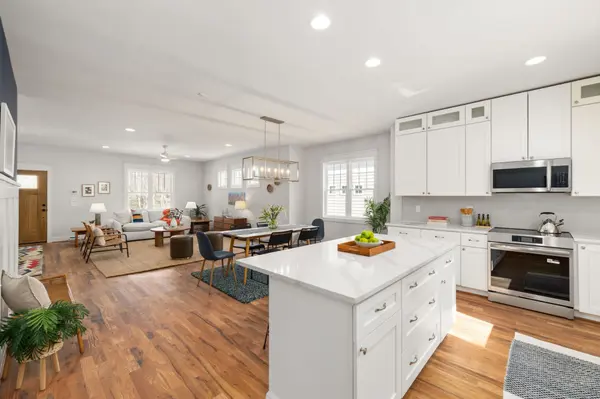

Home Inspections in Brampton: A Winter Buyer's Guide
Buying a home in late fall or winter has real perks: fewer buyers out looking, sellers who are serious about moving, and more room to take your time. The trade-off is that snow, frozen ground and closed-up houses can hide things you'd spot easily in July. That's why I treat the home inspection as on
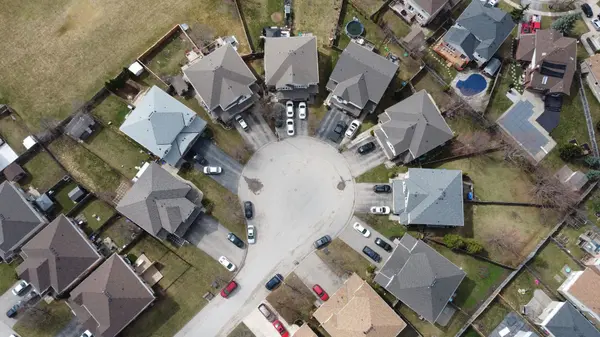
Moving to Brampton: A New Resident's Checklist
Buying the home is the big milestone, but anyone who has moved knows the real work starts after the offer is firm. When you're relocating to Brampton from another city, province or country, there's a second list running in the background: utilities, ID, health coverage, bins, taxes. Miss one and it
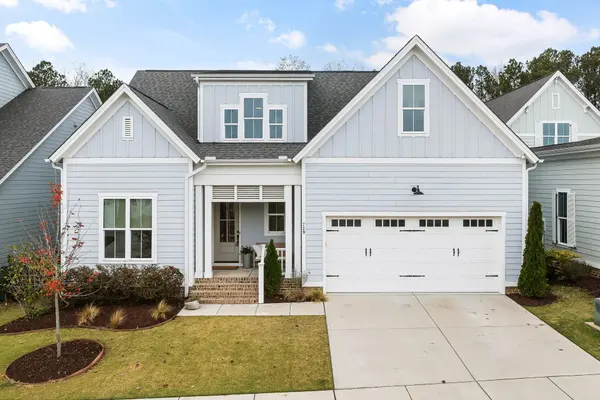
Legal Second Units in Brampton: An Investor's Guide
"Legal basement apartment" might be the most common phrase I see in Brampton listings, and one of the most misunderstood. For an investor, the difference between a registered unit and a basement that simply has a kitchen and a separate door can affect your rental income, your insurance, your financi